


When you buy transport chain and load binders for a truck or trailer, the chain is only one part of the tie-down. The binder, hooks, and anchor points must also suit the job. A strong chain will not raise the rating of a weaker binder. This guide shows how to check the parts together before you place an order.
What do the chain and binder do?
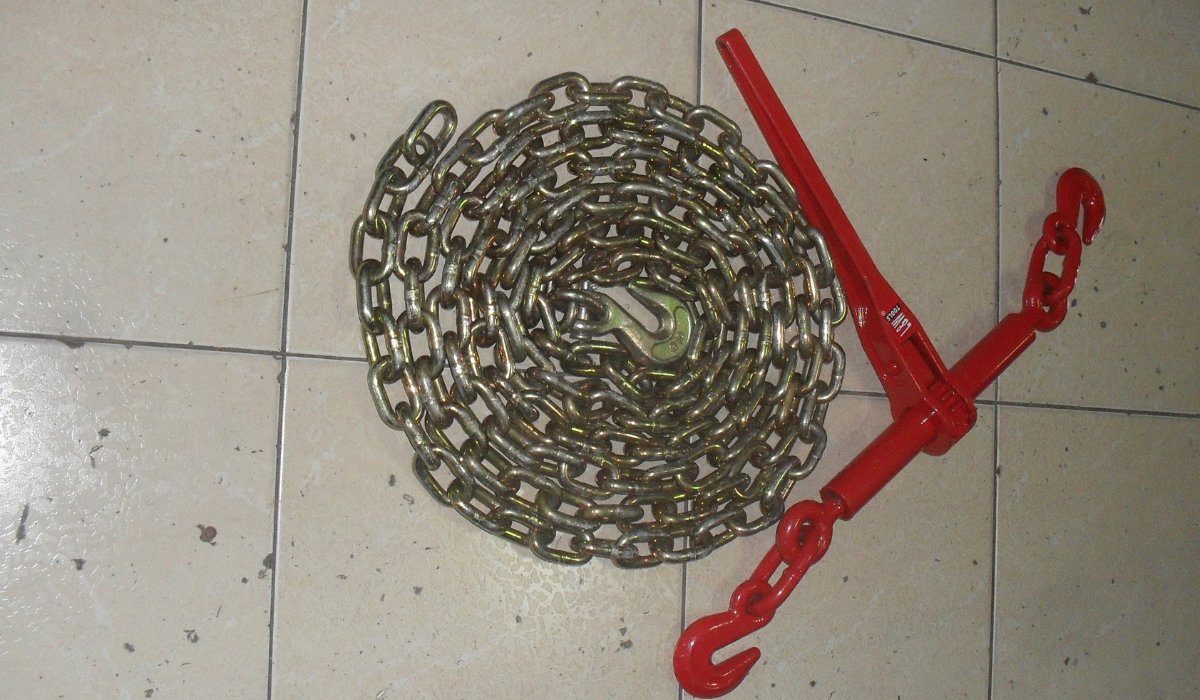
A transport chain holds cargo against movement. A load binder, also called a chain binder, pulls the chain tight and keeps tension on it. Hooks connect the chain to the load or the vehicle. The anchor points complete the load path.
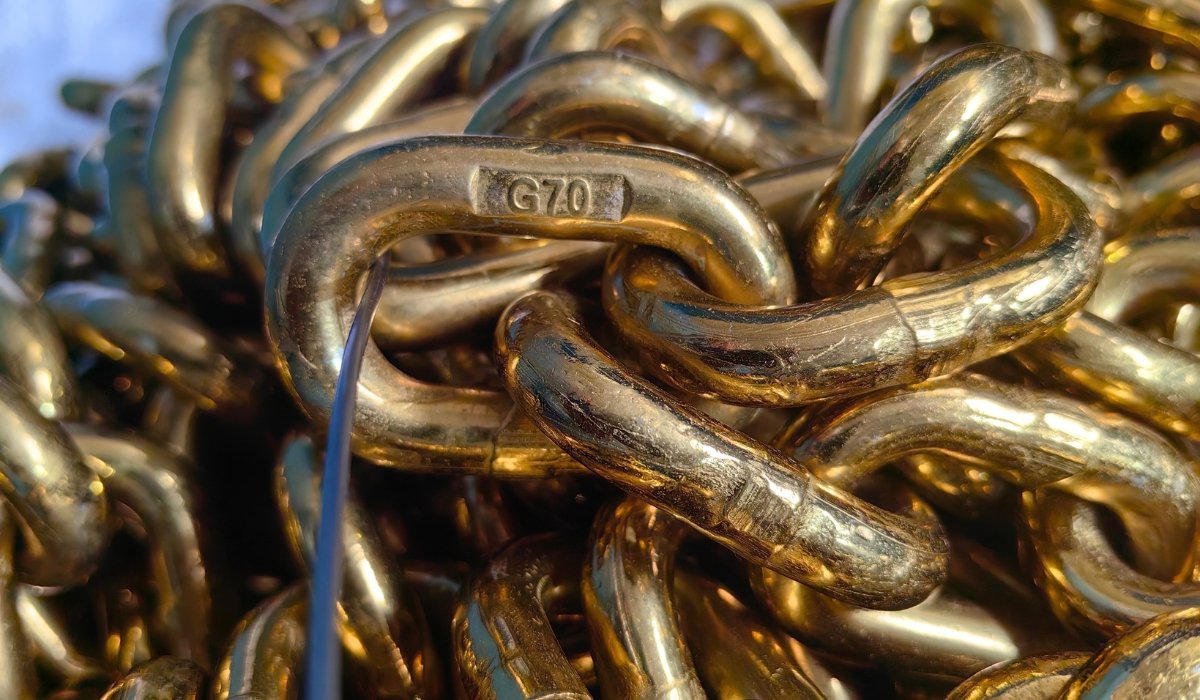
Grade 70, or G70, is a common choice for road cargo securement. It is often called binder chain or tie-down chain. Its grade alone does not tell you which binder to buy. You still need the chain size, the working load limit (WLL), and the binder maker’s stated chain compatibility. G70 transport chain is for tie-down work, not overhead lifting.
How do you match a binder to transport chain?
Start with the chain specification, then check every part that will carry force. Do not select a binder by its size range alone.
- Confirm the chain grade and size. Ask for the exact grade, trade size, link dimensions, and WLL. A term such as “heavy-duty chain” does not identify a rated product.
- Check the binder’s approved chain sizes and WLL. A binder may accept more than one chain size, but its rating can differ from the chain’s rating. Use the binder maker’s data for the exact model.
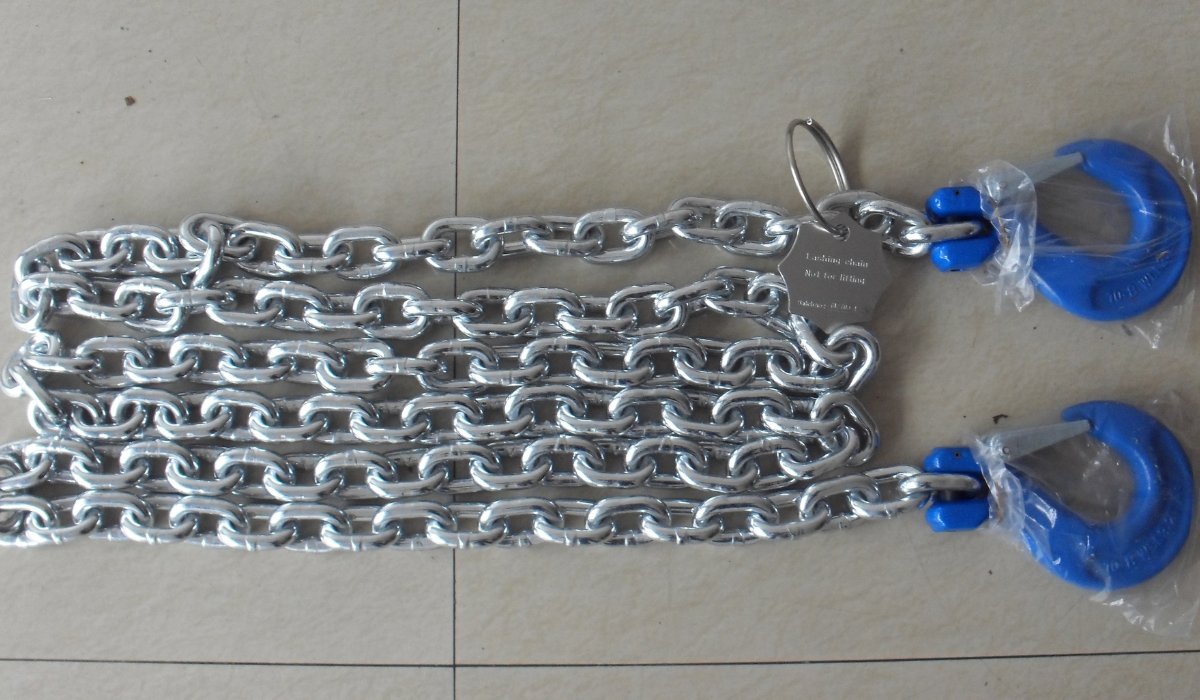
- Check the hooks and fittings. Many G70 chain assemblies use clevis grab hooks to connect to chain links, but the required end fitting depends on the actual connection. Confirm the hook type, chain size, and WLL for the specific fitting. A hook that fits a link is not automatically suitable for the full assembly.
- Check the vehicle and cargo anchor points. The rated chain and binder cannot make a weak attachment point stronger.
The WLL of a tie-down is limited by its lowest-rated part, including the tensioner and anchor points. US cargo securement rules use this lowest-rated-part principle. For example, if a binder is rated below the chain, use the binder’s lower limit when assessing that tie-down. Do not use the chain’s breaking strength or proof test value as its WLL.
Published G70 tables can help you compare sizes, but they do not establish the WLL of the chain or assembly you buy. Check the exact product model, its marking, and its current specification or test documents before using a rating in a securement plan. Do not apply another product’s rating to the chain you order.
Ratchet or lever load binder?
Both types can tension a suitable transport chain. The better choice depends on the crew’s work, available space, and the binder’s rated compatibility.
| Type | How it tightens | What to check when buying |
|---|---|---|
| Ratchet chain binder | A ratchet mechanism takes up chain in small steps. | Chain size, WLL, adjustment range, handle access, and care of the threads and mechanism. |
| Lever chain binder | An over-center lever takes up chain in one movement. | Chain size, WLL, handle clearance, and the maker’s instructions for controlled use and release. |
Neither style changes the chain’s WLL. Ask users which style they can operate well in their normal loading space. Also check whether the binder has enough take-up for the chain lengths and tie-down layout they use. Confirm the approved chain sizes, WLL, and take-up range for the exact binder model.
How many tie-downs do you need?
Do not choose a count from chain WLL alone. Cargo weight, length, shape, anchor position, and the type of tie-down all matter. Some cargo has extra rules.
For commercial vehicles covered by US federal cargo securement rules, the aggregate WLL of the securement system must be at least half the cargo weight. FMCSA guidance also gives different counting methods for direct tie-downs and tie-downs that run over or around cargo. Minimum tie-down numbers and cargo-specific rules still apply. Other markets have their own requirements, so buyers should check the rules for the destination and intended use.
This article cannot set the tie-down plan for a particular load. That plan needs the actual cargo, vehicle, attachment points, equipment ratings, and applicable rules.
What should a buyer ask for before ordering?
For a repeat order or a chain-and-binder purchasing plan, put the key details on one specification sheet:
- Chain grade, trade size, required length, and WLL.
- Link dimensions and end-hook type, such as a clevis grab hook when that fitting suits the intended connection.
- Binder model, style, compatible chain sizes, WLL, and take-up range.
- Ratings for hooks, connecting parts, and anchor points used in the system.
- Grade and WLL markings, product data, and any test documents required for the order.
- Target market, packing format, and the way the chain will be supplied, such as bulk length or cut assemblies.
If you are replacing an existing chain, send the old chain’s grade marking, size, length, hook details, and any product record. A photo alone may help identify a shape, but it cannot prove a grade or WLL. Before each use, inspect the chain and binder for bent or stretched links, deep cuts, heavy wear, damaged hooks, or other defects. Follow the inspection instructions for the products in service.
Frequently asked questions
Can I identify Grade 70 chain by its yellow finish?
No. Finish can be a useful clue, but it does not prove grade or WLL. Check the chain markings and the supplier’s product documents for the exact item.
What should I check in a chain-and-binder kit?
Check the listed chain grade, size, length, end fittings, binder model, and WLL for each part. A kit label alone does not tell you whether its components suit your anchor points or the way you will secure the load. Request a component list and the rating documents for the actual kit.
Is an unmarked chain automatically illegal for US cargo securement?
No blanket answer follows from a missing mark. FMCSA explains that its referenced manufacturing standards do not impose every marking provision. Unmarked equipment can also receive a lower assigned WLL under the US rules. For purchasing, ask for clear grade and rating evidence rather than relying on appearance.
What should I do if the chain twists while I tighten a ratchet binder?
Stop tensioning if the chain twists instead of tightening as expected. Check the instructions for that binder and chain assembly. Do not use a damaged or binding part until it has been inspected under the maker’s instructions. The symptom alone does not establish its cause.
Should I order bulk chain or finished chain assemblies?
Decide who will cut the chain, fit the end hooks, and verify the finished assembly. If you need a ready-to-use length, specify the length and hook type for each assembly. If you buy bulk chain, confirm how the finished tie-down will be assembled, marked, and rated before use. Neither supply format alone confirms suitability for your load.
Transport chain and load binders work as one securement system. Match the parts by their stated sizes and ratings, then check the full tie-down plan for the load and market. Tuohai Hardware supplies G70 transport chain. If you are sourcing chain for a cargo control range, send us the chain grade, size, length, hook requirements, and target specification so we can review the chain portion of your request.


 English
 Russian
 Spanish
 Czech
 German