


If you are buying stainless steel chains or hardware, “stainless steel” alone is not a complete material specification. A part that works well indoors may stain or pit where salt builds up. A harder grade may also be less suitable for the forming or welding your product needs. You need to know what the grade means before you compare quotes or approve a sample.
This guide explains the main grades of stainless steel, where 304 and 316 differ, and what to check before you place an order.
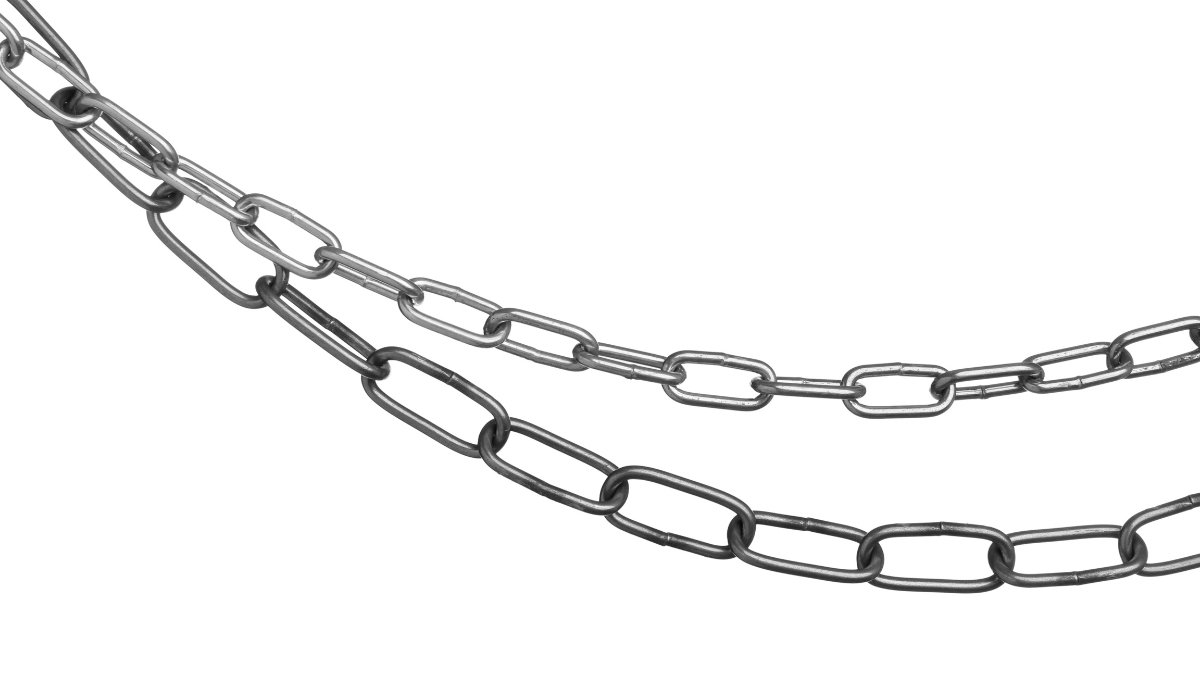
What Does a Stainless Steel Grade Tell You?
Stainless steel grades identify defined ranges of chemical composition and, in many cases, families of steel. Chromium helps the surface form a thin protective layer. Other elements, such as nickel, molybdenum, and manganese, change how the steel behaves. Grade names such as 304 and 316 help you specify the material, but they do not describe every property of a finished part. Worldstainless explains the grade families and product forms.
This distinction matters when you buy chain. 304 stainless steel is a material grade; a chain grade or load rating describes a finished chain for a defined use. The material name alone does not establish a working load limit. Link size, construction, manufacturing, testing, and the applicable product standard also matter. Ask for the finished product requirements separately when the chain will carry a load.
What Are the Main Types of Stainless Steel?
Stainless steels fall into five main families. Their structures affect corrosion resistance, strength, forming, and heat treatment. A family tells you where to start; the exact grade and product condition decide whether a part fits your use. The British Stainless Steel Association (BSSA) grade guide covers a wider range than the common examples below.
| Family | Common grades | Main point for a hardware buyer |
|---|---|---|
| Austenitic | 201, 304, 304L, 316, 316L | Often chosen for formed or welded parts. Check the exact grade against the service environment and forming needs. |
| Ferritic | 430 | A magnetic grade used in some mild environments. Do not assume it can replace 304 in every part. |
| Martensitic | 410 | Can be hardened by heat treatment. Useful when hardness matters, but its corrosion needs differ from those of 304 or 316. |
| Duplex | 2205 | Combines strength with good resistance to some chloride related damage. It needs a suitable product design and fabrication process. |
| Precipitation hardening | 17-4 PH | Can reach high strength after specified heat treatment. The required condition must be stated with the grade. |
These are examples, not a single ranking from “worst” to “best.” A 430 trim part, a 410 wear part, and a 316 chain can have different jobs. The grade alone cannot tell you which finished item will last longer. BSSA’s selection guidance treats the environment, mechanical needs, and fabrication as linked decisions.
Where Does 201 Fit?
201 is an austenitic grade that uses more manganese and less nickel than 304. It is sometimes considered when the material specification and forming requirements allow it. It is not an automatic substitute for 304: the two grades can behave differently during forming, and the approved composition still has to match the order. BSSA describes 201 and its limits.
How Do 304 and 316 Differ?
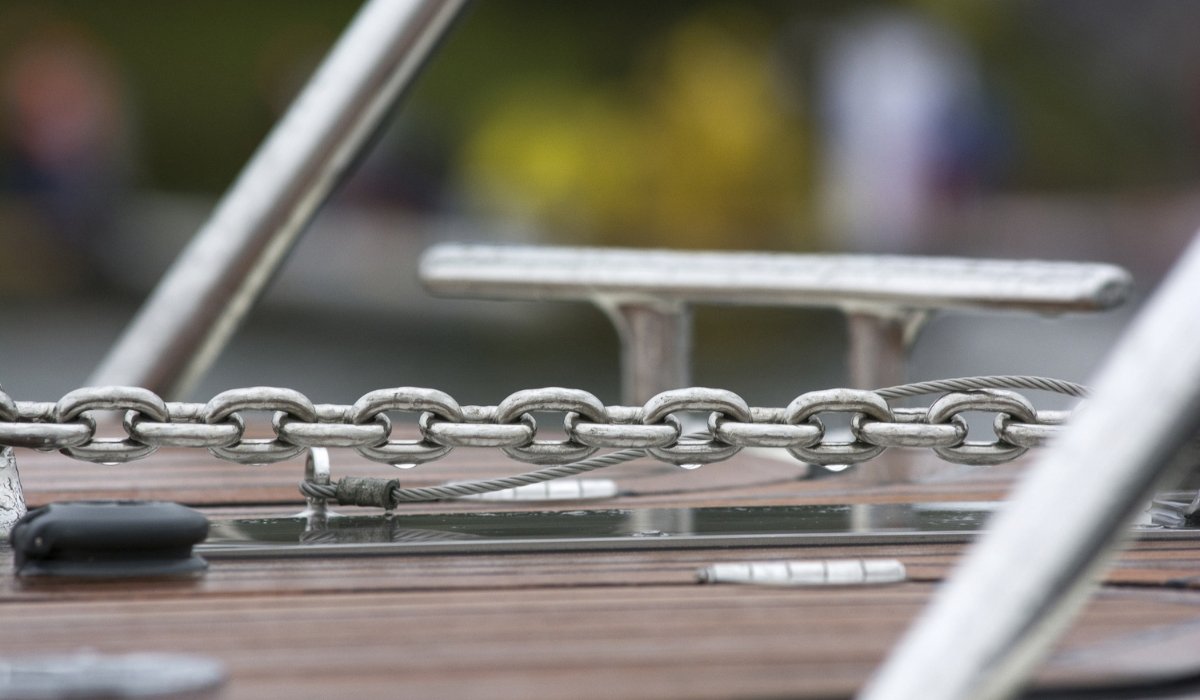
For many buyers, the most useful grade comparison is 304 vs 316 stainless steel. Both are austenitic grades. 316 contains molybdenum, which improves resistance to local corrosion caused by chlorides compared with 304 under comparable conditions. That makes 316 worth considering when a part faces coastal air, salt deposits, or some cleaning chemicals. BSSA explains the corrosion difference.
For a dry indoor fitting or a sheltered part with low chloride exposure, 304 may meet the need without paying for a more highly alloyed grade. For an exposed chain, hook, or connector near salt spray, start by assessing 316 and the actual exposure. If a part stays in seawater, holds stagnant salty water, or has tight gaps that trap deposits, do not treat “316” or “marine grade” as a guarantee. The part design, surface condition, temperature, cleaning, and exact service conditions still need review. More demanding environments may need another grade or a different design.
The “L” in 304L and 316L means lower carbon content. It mainly helps control the risk of intergranular corrosion after certain welding heat cycles. It does not mean that 316L is always stronger than 316, or that an L grade cannot rust. Some material is certified to both the standard and L designations when it meets both sets of requirements. BSSA explains the composition and dual certification of L grades.
How Should You Choose a Grade for Hardware?
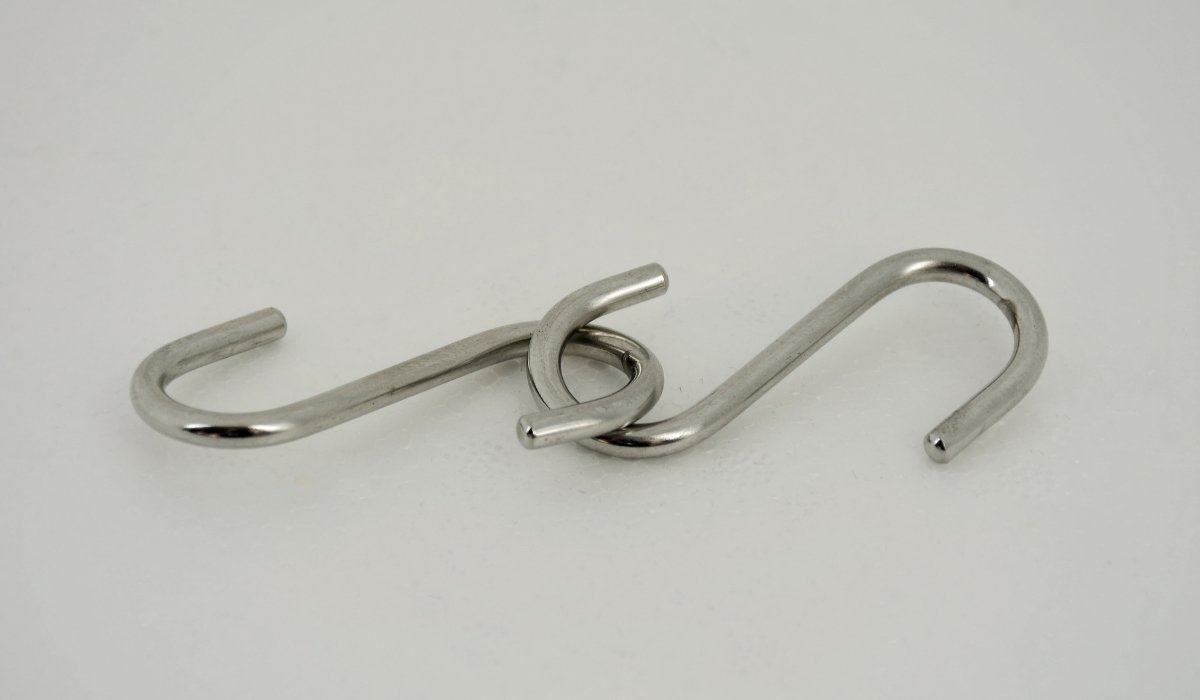
Choose the grade by the part’s job and exposure, then check that it can be made and verified as specified. This order keeps you from paying for an alloy that does not solve the real problem.
- Describe the environment. State whether the part is indoors, outdoors, near a coast, in standing water, or in contact with cleaners or chemicals. Note where salt or moisture can stay on the part. This is often the first factor that changes the choice between 304 and 316.
- Define the part and how it is made. A formed link, welded chain, spring, fastener, and machined connector do not share the same manufacturing needs. Confirm the needed strength, hardness, forming, welding, and finish. A grade that suits one product form may be a poor choice for another.
- Specify the grade and product requirements separately. Name the grade, the applicable material specification for the actual product form, dimensions, finish, and any needed test or inspection. For a load bearing chain or safety related part, agree on the finished product’s rating and applicable standard as well. Do not infer either from “stainless steel.”
- Compare the whole order. Check the material, fabrication, surface finish, maintenance needs, and evidence supplied with the batch. A higher alloy cost can be justified when it addresses a real exposure risk; it adds little value when the limiting issue is poor design or an unverified finished product.
If your design involves strong chemicals, high temperatures, prolonged seawater contact, or safety critical loading, have the responsible engineer assess the actual conditions and applicable standards before approving a grade. A short grade chart cannot replace that assessment.
How Can You Verify the Grade in an Order?
Write the required grade into the drawing or purchase specification. Identify the product form and the standard that applies to it. For example, ASTM A240/A240M covers stainless plate, sheet, and strip; it is not a blanket standard for every stainless wire or finished chain. ASTM states that scope in its current A240/A240M-26 listing. ISO 15510:2014 lists stainless steel compositions, but composition alone does not rate a finished hardware item.
Ask which material certificate or composition record will accompany the order, and how its heat or batch number links to the delivered parts. If the application needs independent confirmation, agree on the sampling and analysis method before production. Check dimensions, finish, and any finished product tests under their own requirements. A material certificate for one batch or size does not prove every item in a mixed shipment has the same grade or performance.
Appearance and a hand magnet are poor final checks. Polished grades can look alike, and cold worked 304 can show some magnetic attraction. BSSA explains why cold work can change the magnetic response of austenitic steel. Use documents tied to the batch and a suitable material analysis when the grade must be confirmed.
Frequently Asked Questions
Does “18/8” always mean 304 stainless steel?
Not as proof of the material in your order. “18/8” describes an approximate chromium and nickel mix and is often used for 304 in cutlery, according to BSSA. A catalog or package label alone does not identify the exact standard or delivered batch. For a hardware order, ask for the named grade, applicable standard, and a material record linked to that batch.
Conclusion
Start with the environment and the part’s job. Then specify the stainless steel grade, product form, and finished part requirements. For many general hardware uses, 304 is a practical starting point; chloride exposure can make 316 worth assessing. Other grades solve different needs. Before you approve an order, make sure the material record matches the delivered batch and that the finished part meets its own specification.


 English
 Russian
 Spanish
 Czech
 German